


7 Steps to Verify Ethical Ocean Brands Before You Buy
Last Updated: November 12, 2026
Quick Summary
To verify ethical ocean brands, write down each sustainability claim, confirm third-party certifications in official databases, and request primary evidence such as audit reports or transaction certificates tied to the specific product. A brand that answers with names and records is doing the work; one that sends vague values language is not.
- Check that a certificate is current, unexpired, and covers the exact product you are buying.
- GOTS covers organic fiber and processing chemicals, not a company's entire supply chain or ocean impact.
- A certification badge with no license number you can find in a database is a red flag.
- Ask one specific question, like which facility made the item and for the batch certificate.
- Score brands one to five on recycled content, waste, carbon, marine ecosystems, and traceability.
Table of Contents
- Why Ethical Ocean Brands Need Proof, Not Promises
- Step 1: Map the Claim Before You Map the Brand
- Step 2: Read the Clothing Brand Ethical Rating With a Critical Eye
- Step 3: Check Third-Party Certifications in Official Databases
- Step 4: Learn How to Spot Greenwashing in Fashion
- Step 5: Trace the Supply Chain and Ask for Primary Evidence
- Step 6: Score Ocean Impact With Measurable Indicators
- Step 7: Contact the Brand and Assess the Response
- Frequently Asked Questions
Why Ethical Ocean Brands Need Proof, Not Promises
Learning how to verify ethical ocean brands starts with one simple truth: a promise is not proof. Plenty of brands slap a wave logo on a label and call themselves ocean-friendly. That label means nothing on its own. We care deeply about the sea, and we know many of our readers do too. So here is the honest version of how to check a brand's claims before you spend a dime. Below, we'll walk through seven steps that take you from a vague claim to real evidence.
Step 1: Map the Claim Before You Map the Brand
Start by writing down exactly what the brand claims. Is it a product-level claim ("this shirt is made from recycled content") or a company-wide claim ("we protect marine ecosystems")? Those are very different things. Product claims are easier to check. Company claims need broader evidence. Grab a notebook and list every sustainability claim you can find on the homepage, product pages, and packaging. Then mark each one as specific or vague. A specific claim gives you something to test.
Step 2: Read the Clothing Brand Ethical Rating With a Critical Eye
A clothing brand ethical rating is a useful starting point, but it is not the final word. Ratings summarize public disclosures and audit data into a single score. That convenience comes with limits, and knowing them keeps you sharp.
What Ethical Ratings Actually Measure
Most ratings look at supply-chain transparency, labor conditions, and environmental policies. Some include animal welfare and chemical use. A high score suggests the brand discloses more and has third-party checks in place. It does not guarantee every product meets every standard.
Where Ratings Fall Short
Ratings often lag behind reality. A brand can score well on policy while a specific factory stays unverified. Scope matters too: a company-wide rating may say nothing about the recycled percentage in one garment. Use ratings as a filter, then dig into the product itself. Never let a single score replace your own check.
Step 3: Check Third-Party Certifications in Official Databases
Third-party certification is where claims get real, but only if you know what the certificate actually covers. A certification standard is only as good as its verification, so always confirm the certificate exists, and then read its scope before you trust it. Most certifying bodies run a public certification database. Search the brand's name or license number there, then check three things: is the certificate current, does the expiration date still stand, and what exactly does the certificate cover? An expired certificate is a red flag.
What Each Certification Actually Covers
Certifications are not interchangeable, and the biggest mistake shoppers make is treating them as a single gold star. Here is how the common ones differ in scope:
- GOTS (Global Organic Textile Standard): Covers organic fiber content and processing chemicals for textiles, and it applies to the product and the facilities that made it. It does not certify a company's entire supply chain or its ocean impact.
- GRS (Global Recycled Standard): Verifies recycled content percentage in a product and traces it through processing. It covers the material claim, not labor conditions or marine habitat impact.
- bluesign: Focuses on chemical safety and resource use in textile production at the facility level. A bluesign-approved fabric is not the same as a bluesign-approved company.
- B Corp: A company-wide certification covering governance, workers, community, and environment. It says nothing about a specific garment's recycled percentage.
- Fair Trade Certified: Covers labor and sourcing conditions at the facility or product level. It does not verify environmental or ocean claims.
- FSC (Forest Stewardship Council): Applies to wood and paper packaging, not to the apparel itself.
A common pattern is a brand stacking three or four logos on a product page when only one of them applies to that specific item. Read each logo as a separate claim with its own scope.
Scope and Limitations You Should Know
Every certification has boundaries, and knowing them keeps you sharp. A product-level certificate tells you about that item; a facility-level certificate tells you about the factory; a company-level certificate tells you about the business as a whole. None of them automatically covers marine habitat damage, bycatch, or ocean pollution unless the standard explicitly says so.
Watch out: a brand can display a valid certificate for one product line and imply it covers the whole catalog. Check the certificate's product or facility scope, not just its expiration date.
Step 4: Learn How to Spot Greenwashing in Fashion
Knowing how to spot greenwashing in fashion comes down to patterns. Greenwashing is the practice of making a brand look more sustainable than its evidence supports. It rarely looks like an outright lie. More often, it hides in vague words and pretty imagery. Here is how to catch it.
Red Flags to Watch For
- Vague language: "eco-friendly" or "ocean-friendly" with no definition or proof
- Missing specifics: no fiber content, no recycled percentage, no named supplier
- Logo without a number: a certification badge you cannot find in any database
- Nature imagery over data: whales and waves instead of documentation
- No traceability page: nothing about where materials come from
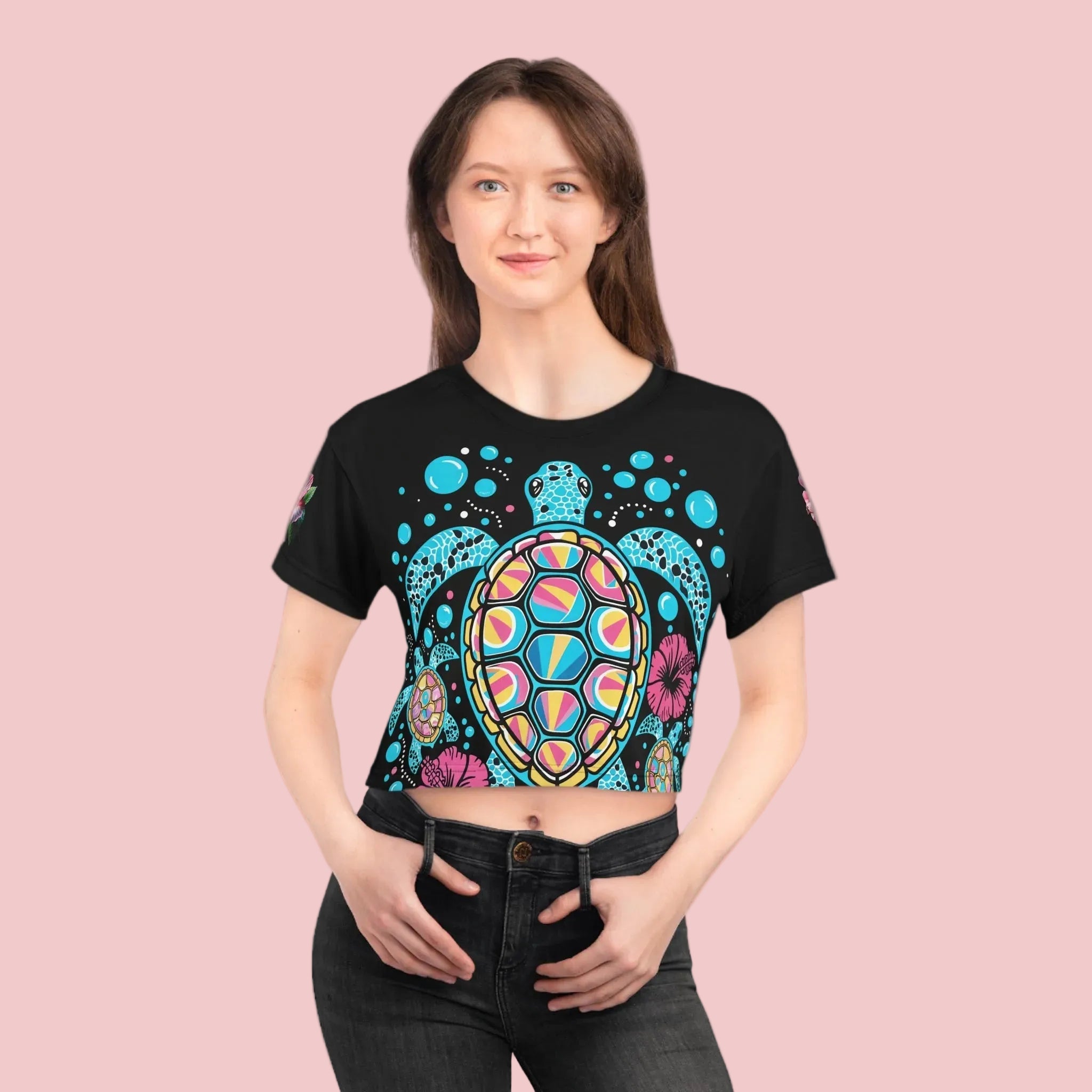
If a brand uses the word "ocean-friendly" but never explains what that means, treat it as unproven. You can practice this on real listings. Take a look at our turtle crop tee or this reusable dragon tote and read the product details the way you would read any brand's page.

Step 5: Trace the Supply Chain and Ask for Primary Evidence
Supply-chain transparency is the hardest claim to fake, and it is where most ocean-friendly marketing quietly runs out of road. Instead of asking a vague question, run a short evidence workflow: follow the claim from the product page to the supplier, then to the document that proves it. Primary evidence means records, not adjectives, audit reports, transaction certificates, sourcing disclosures, and named facilities. If a brand cannot say where its fabric comes from, its ocean protection story is probably thin.
A Repeatable Evidence-Checking Workflow
Use the same four moves on every brand so you can compare them fairly:
- Identify the claim. Write it down word for word, and note whether it is product-level, facility-level, or company-wide.
- Find the named source. Look for a supplier, mill, farm, or region. A brand with real traceability can usually name at least the region and often the facility.
- Request the document. Ask for the certificate, audit summary, or transaction record that backs the claim. A transaction certificate is especially useful because it ties a specific batch of material to a specific buyer.
- Check scope and validity. Confirm the document is current, that it covers the product you are buying, and that the certifying body is one you can look up independently.
If any of those four steps stalls, that is your answer. A brand that can complete all four is doing the work; a brand that cannot is asking you to take its word for it.
What Counts as Primary Evidence
Not all documentation is equal. Rank what you receive from strongest to weakest:
- Third-party audit reports and transaction certificates, independent, dated, and tied to a specific facility or batch.
- Named supplier lists and published factory disclosures, useful because you can cross-check them against certification databases.
- Sourcing pages with regions and material percentages, helpful context, but still self-reported.
- Marketing language and nature imagery, not evidence at all.
A common pattern is a brand that publishes a supplier list but never updates it, or lists a parent company rather than the actual facility. Cross-check the names you find against the certification databases from Step 3; if a listed supplier does not appear anywhere, ask why.
How to Judge the Response
When you email a brand, ask one specific question rather than a broad one, for example, "Which facility made this item, and can you share the recycled-content certificate for this batch?" Then judge the reply on three criteria: is it specific, is it documented, and can you verify it independently? A transparent brand answers with names and records. A vague brand sends a paragraph about its values. Save every reply so you can compare brands side by side using the same questions, and treat a refusal to name a supplier as a data point rather than a dead end.
Step 6: Score Ocean Impact With Measurable Indicators
Measurable ocean-impact indicators beat emotional language every time. Build a simple scorecard and rate each brand from one to five on these:
| Indicator | What to Look For | Why It Matters |
|---|---|---|
| Recycled content | Stated recycled percentage per product | Cuts demand for new material |
| Waste reduction | Packaging and production waste policies | Less plastic reaching the sea |
| Carbon emissions | Published reduction targets | Slows ocean warming |
| Marine ecosystems | Named habitat or biodiversity partners | Direct ocean protection |
| Traceability | Named suppliers or regions | Backs every other claim |
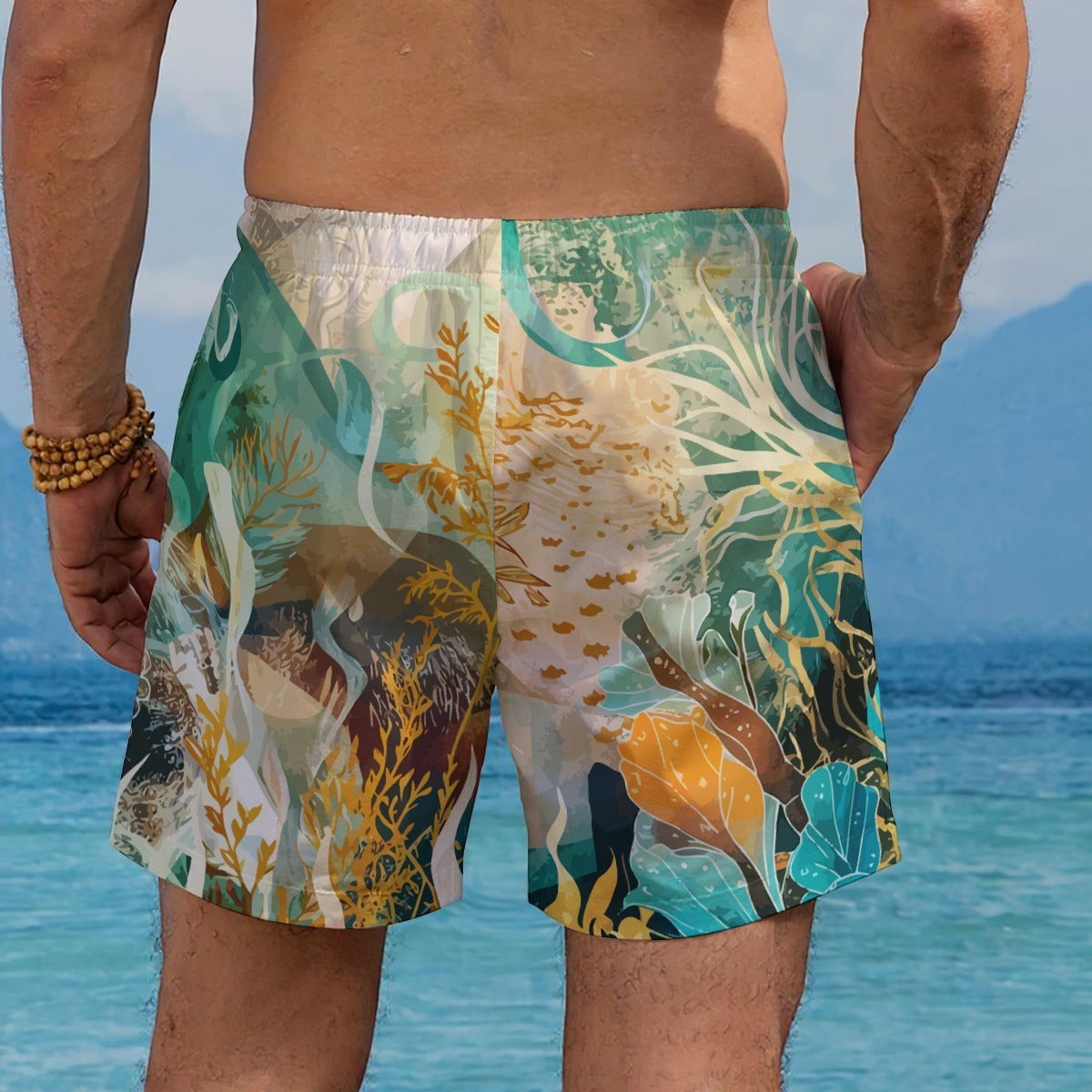
Score each row honestly. A brand that scores well on traceability but offers no recycled content numbers is telling you where its strengths are. You can test the process on ocean-inspired pieces like these ocean tides leggings or these marine life swim shorts, scoring the listed details against the table above.
Step 7: Contact the Brand and Assess the Response
Send one short email. Ask a specific question, like "What percentage of this product is recycled, and where was it made?" A brand with real responsible practices answers clearly and quickly. A brand that dodges, sends a generic reply, or never responds has told you plenty. Save the answers.
The real challenge is not finding pretty ocean-themed products. It is finding ones whose claims hold up when you check. That is exactly the standard we hold ourselves to at Sea Dragon Dreams.
Frequently Asked Questions
How can I check if a brand is ethical?
Start with the brand's own claims, then verify each one against independent evidence. Look for third-party certifications listed in official databases, check whether the brand publishes supply-chain details, and compare its public statements with what watchdogs and rating sites report. A single certification does not make a brand ethical overall, so treat every claim as one piece of a larger picture and ask for documentation before you trust it.
What evidence should an ocean brand provide for its conservation claims?
Ask for the name of the conservation partner, the specific project being funded, and a public statement of how donations are calculated. Legitimate partners usually list corporate donors on their own websites, so cross-check there. If a brand cannot name its partner or show a donation record, treat the claim as unverified. Ethical ocean brands should be able to explain the link between a purchase and a measurable outcome for marine ecosystems.
How do I check whether a brand's ocean conservation donations are real?
Search the named nonprofit's website for a corporate partner page, then look for the brand in that list. You can also request a donation receipt or annual impact report directly from the brand. A credible response names the recipient organization, the time period, and the amount or percentage donated. Vague language like 'a portion of proceeds' without a named partner is a warning sign that the claim may be greenwashing.
Are ocean-themed products automatically environmentally friendly?
No. A mermaid print or a wave logo says nothing about how a product was made. Check the fiber content, recycled percentage, and sourcing practices behind the item, not the artwork on it. Ocean-themed brands can still use conventional materials and opaque supply chains. The theme is marketing; the evidence is in the certifications, materials disclosure, and traceability documentation you can verify independently.


Leave a comment