

How to Verify Ethical Fashion: A Claim-by-Claim Checklist
Last Updated: November 26, 2026
Quick Summary
To verify ethical fashion, read the fiber tag first, run the brand through an ethical brand checker, then match each certification to its scope and expiry date. Trace named factories, score the evidence, and ask the brand directly for certificate numbers, keeping the reply on record.
- Fiber percentages should add up to 100 and country of origin should be printed on the label.
- A certificate for a fabric mill does not cover the sewing factory, so check scope and holder.
- Strong evidence means a named facility plus a valid third-party certificate.
- Greenwashing signs include eco wording with no definition and logos with no certificate number.
- For secondhand items, check the fiber tag, care label, and construction details instead.
Table of Contents
- Start With the Label: Fiber Content and Material Composition
- Use an Ethical Brand Checker to Screen Claims Fast
- What an Ethical Rating Website Can and Cannot Tell You
- How to Check If Brands Are Ethical: A Five-Step Verification Workflow
- Fashion Greenwashing Signs: Marketing Language vs. Primary Evidence
- When Brands Publish Nothing: Verifying Secondhand, Resale, and Older Garments
- Build Your Own Claim-by-Claim Verification Worksheet
- Shop Small, Ask Directly: Putting Your Checklist to Work at Sea Dragon Dreams
- Frequently Asked Questions
Start With the Label: Fiber Content and Material Composition
Learning how to verify ethical fashion starts with the tag closest to your skin.
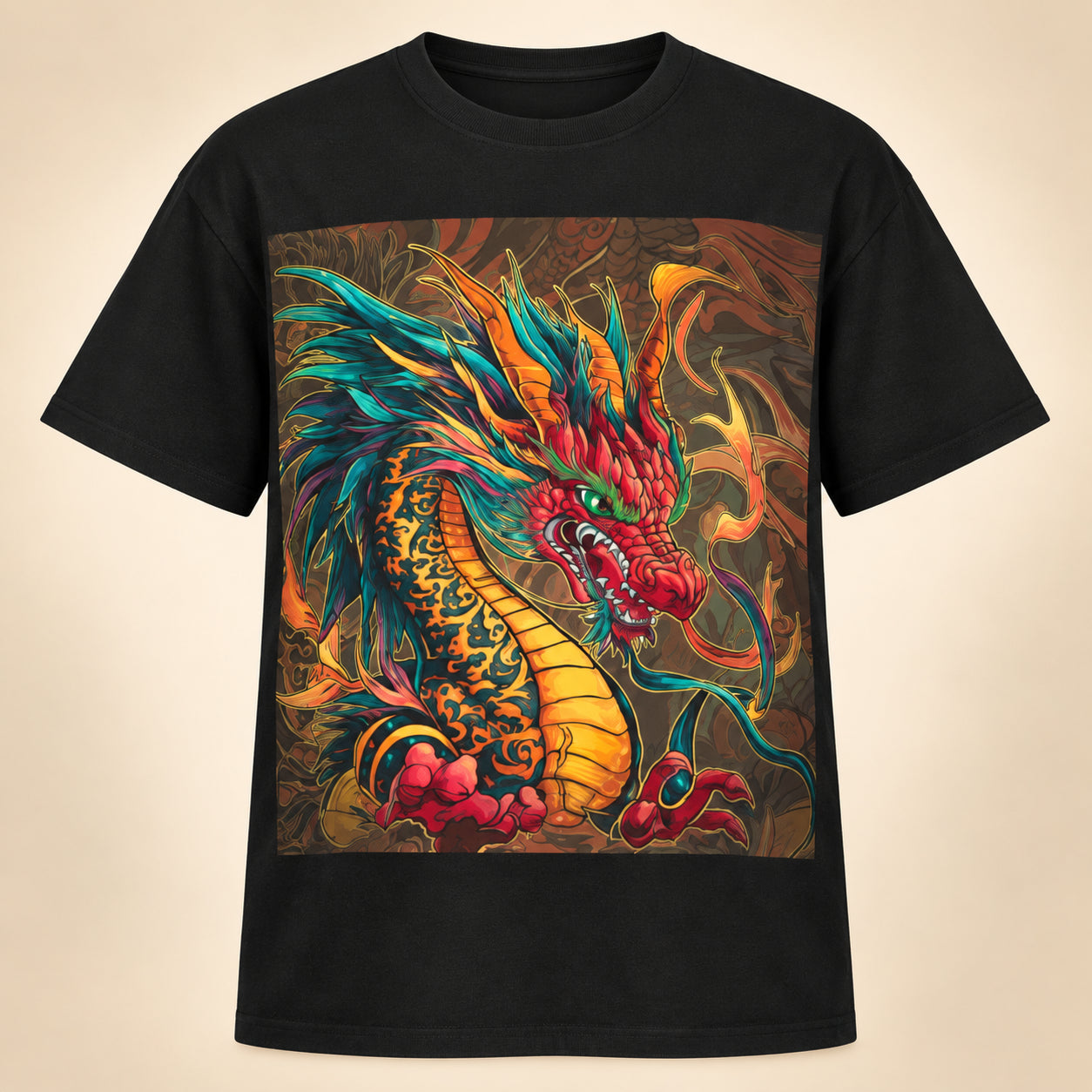
Here at Sea Dragon Dreams, we read labels the same way we read a good fantasy map: every detail matters. When you buy a garment-dyed unisex tee, you should be able to see exactly what it's made of.
So grab a tag and check three things:
- Fiber percentages that add up to 100
- Fiber names you recognize (cotton, linen, wool, polyester, elastane)
- Country of origin printed somewhere on the label
If the tag says "60% cotton, 40% mystery," walk away. The FTC textile labeling rules require fiber content and origin to be disclosed on most clothing sold here.
Material composition also hints at durability and environmental impact. Natural fibers like cotton and linen come from plants. Recycled materials come from existing textiles. Neither is automatically better.
Use an Ethical Brand Checker to Screen Claims Fast
An ethical brand checker is a tool or database that scores brands on labor, materials, and transparency.
These checkers pull from public disclosures, certifications, and brand reports. Some focus on supply chain.
A practical approach:
- Run the brand through one or two checkers
- Note the areas where it scores low
- Treat those as your questions for step five
The catch is that checkers vary wildly. One may rank a brand high for climate work and ignore worker wages.
That's why we tell shoppers to use checkers as a starting point. They point you toward the right questions.
What an Ethical Rating Website Can and Cannot Tell You
An ethical rating website can tell you how a brand compares on a fixed set of criteria.
Here's what ratings do well:
- Compare many brands on the same scale
- Surface brands you've never heard of
- Flag public controversies or missing disclosures
Here's where they fall short:
- They lag behind real changes at a factory
- They rarely cover small or new brands
- They compress complex issues into one score
A single number hides trade-offs. A brand might source organic cotton but pay garment workers poorly. A high overall score can mask that.
We also suggest checking the date on any rating. A score from several years ago may not reflect current practices.
How to Check If Brands Are Ethical: A Five-Step Verification Workflow
Here's the core method for how to check if brands are ethical. It works for big labels and tiny boutiques alike. Each step narrows the gap between a marketing claim and real evidence.
Step 1: Read the Claim, Then Ask What Evidence Would Prove It
Write down the exact claim. "Made with recycled materials" is vague. "Made with 100% recycled polyester, certified by a third party" is specific. The more specific the claim, the easier it is to test.
Then ask: what document would prove this? A certificate number. A factory name. A public report. If you can't imagine the proof, the claim is probably marketing language.
Step 2: Match Each Certification to Its Scope and Expiry
Certification is a third-party stamp that a product or process meets a standard. But every certificate has a scope and an expiry date. A certificate for a fabric mill does not cover the sewing factory. A lapsed certificate proves nothing.
Check three things on any certificate:
- Scope: what exactly does it cover?
- Holder: which company or facility holds it?
- Validity: is it current?
A brand that shows a certificate should also show these details. If it only shows a logo, ask for the rest.
Step 3: Trace the Supply Chain and Factory Disclosure
Supply-chain transparency means a brand names the factories that make its clothes. Some publish a full list. Others share it only on request.
Look for named factories with locations. Then check whether those factories appear in public audits or certification databases.
If a brand won't name any factory, that's a signal. It doesn't prove bad labor practices. It does mean you can't confirm good ones.
Step 4: Score the Evidence and Note Your Confidence Level
Now grade what you found. Use a simple scale for each claim:
| Evidence level | What it looks like | Confidence |
|---|---|---|
| Strong | Named facility plus valid third-party certificate | High |
| Partial | Certificate without scope or facility details | Medium |
| Weak | Logo only, no documentation | Low |
| None | No evidence offered | None |
This scoring method keeps you honest. It separates what you know from what you hope. A brand can score high on materials and low on labor. Note both.
Step 5: Ask the Brand Directly and Keep the Reply
Send a short, specific message. Ask about fiber sourcing, factory names, and certification numbers. A brand with real practices usually answers. A brand without them usually deflects.
Keep the reply. Save the email or screenshot the chat. If the brand later changes its story, you have a record. This is how shoppers hold brands accountable over time.
Before you write that message, pick the item you're asking about. If you're eyeing a heavy cotton dragon tee, reference it directly so the brand knows exactly which product and fiber you mean.
Fashion Greenwashing Signs: Marketing Language vs. Primary Evidence
Greenwashing is when a brand makes environmental or ethical claims that sound bigger than the proof behind them.
Watch for these fashion greenwashing signs:
- Words like "eco," "green," or "conscious" with no definition
- Nature imagery instead of data
- A certification logo with no certificate number
Primary evidence is the opposite. It's the certificate, the factory name, the audit report, the dated disclosure. It's checkable by anyone.
We like to compare a vague claim to a vague map. "Somewhere east of the mountains" is not a location. "Eco-friendly fabric" is not a material.
One quick test: can you find the claim repeated in a formal document, not just on a product page? You can see the difference in practice by comparing marketing copy to a real product listing, like this PU leather shoulder bag page that states its materials plainly.
When Brands Publish Nothing: Verifying Secondhand, Resale, and Older Garments
Some brands publish nothing at all. No factory list, no certificates, no reports. That doesn't mean you're stuck.
For secondhand and resale items, the brand's current claims matter less than the garment in your hands. The item already exists, so focus on what you can observe:
- The fiber tag, if it's still attached, and the care label
- The country of origin printed on the label
- Construction details that hint at durability (seam finishing, fabric weight, hardware quality)
For older garments, check the brand's current site for updated disclosures. A brand may have changed practices since your item was made.
When a brand truly publishes nothing, escalate in order. Each step costs you a few minutes and tells you something:
- Check the brand's own site for a sustainability, impact, or supplier page. Note the date on anything you find.
- Search public registries for the brand name and any named supplier against certification databases. Absence there is information.
- Send one short, specific message. Ask about fiber sourcing, factory names, and certification numbers for the exact item you're considering. Reference the product directly so the brand knows which fiber and which factory you mean.
- Record the reply, or the silence, in your worksheet as "no evidence." Absence of proof is information too.
A message that tends to get real answers looks like this: "I'm considering [item].
Then interpret the response honestly. A specific answer with a certificate number is strong evidence.
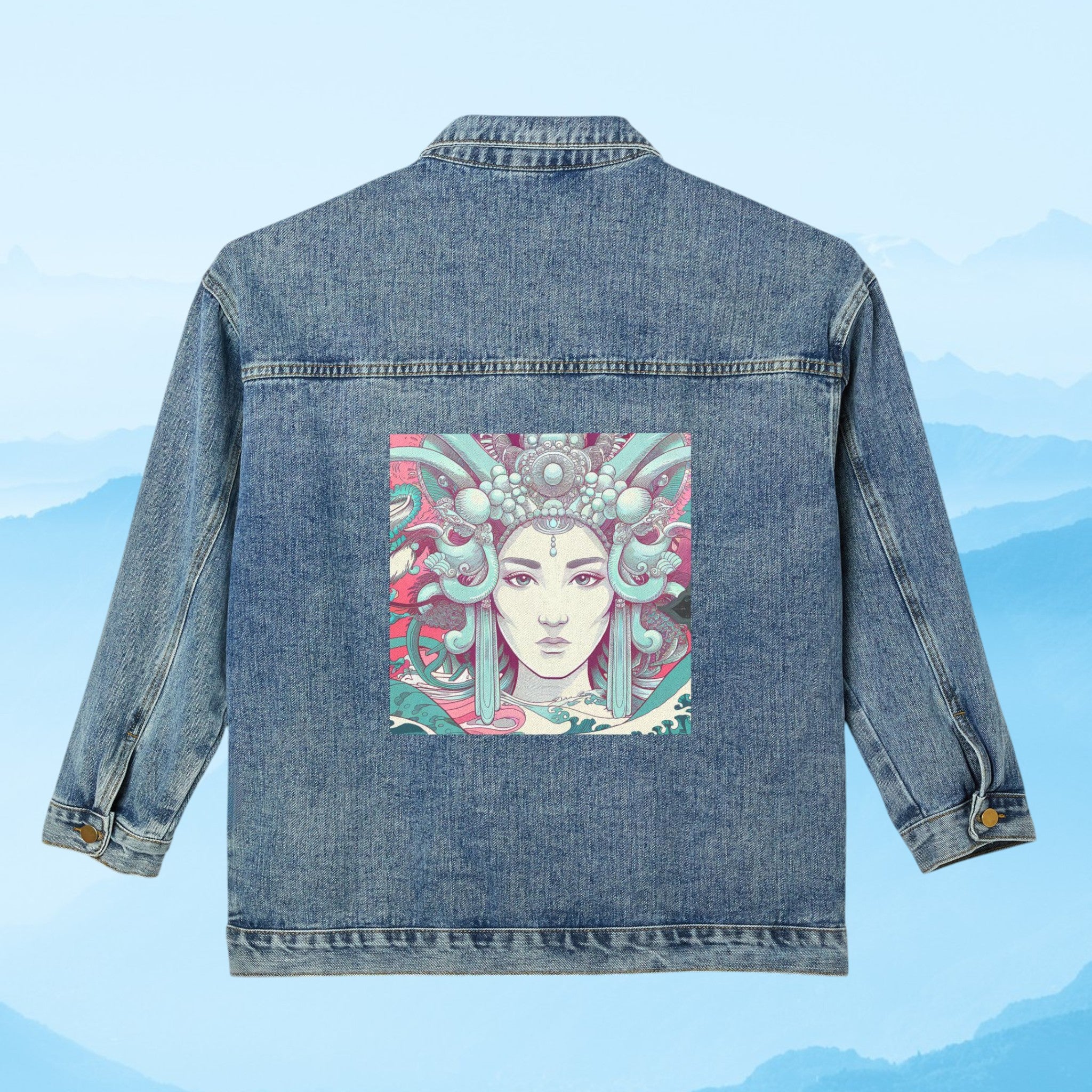
You can also look at how a brand describes its products today. A denim jacket listing that names its fabric and construction tells you more than a page full of slogans.
Build Your Own Claim-by-Claim Verification Worksheet
A worksheet turns all of this into a repeatable habit. Make a simple table for each item you're considering.
Use these columns:
- Claim (exact words from the brand)
- Evidence type (certificate, factory name, report, none)
- Scope and date (what it covers, when it expires)
- Confidence (high, medium, low, none)
Fill in one row per claim. Then total your confidence levels.
This worksheet is also your shopping list of questions. Every "none" row becomes a message to the brand.
Keep your worksheets in a folder. Over time, you'll build a personal record of which brands answer and which ones don't.
Shop Small, Ask Directly: Putting Your Checklist to Work at Sea Dragon Dreams
Small brands are where this checklist earns its keep. But many of them will answer a direct question, and that's worth a lot.
We're a woman-owned boutique founded by artist and cancer survivor Katie Rushing. Our designs draw on mermaids, dragons, and the ocean.
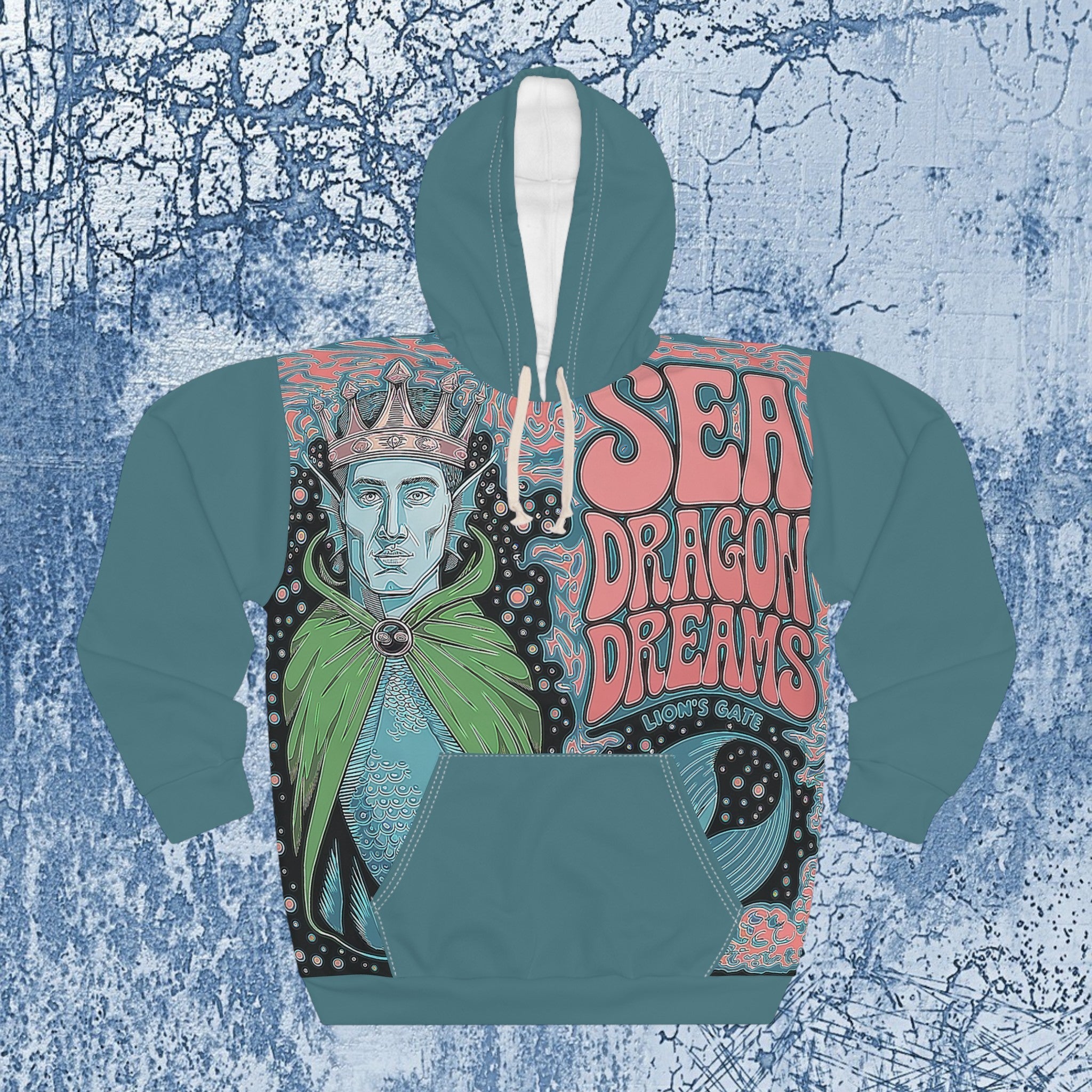
Try it on a real item. Pick something like our unisex pullover hoodie and send us your questions about fiber and sourcing.
A few things to keep in mind as you shop small:
- Ask about fiber content and where materials come from
- Request any certification details, including scope and date
- Save the replies so you can compare over time
- Trust brands that answer plainly, even when the answer is "we're still working on it"
Honest answers beat perfect ones.
Verifying ethical fashion takes a little time, but it puts the power back in your hands. Sea Dragon Dreams is here to make that easy, with original fantasy-inspired apparel, cozy layers, and ocean-themed gifts made for dreamers and sea lovers, from Cloaks for your next adventure to Products for Healing and Support for someone who could use a little comfort.
Frequently Asked Questions
What is the best website for ethical clothing ratings?
There is no single best site, because each ethical rating website scores different things: some grade brands on labor standards, others on chemical safety or carbon footprint. Use two or three together and read their methodology pages so you know what a score actually covers. Treat ratings as a starting screen, not a verdict. Then confirm the specific claim you care about, such as organic cotton or a named factory, against the brand's own disclosures and certificate records.
What certifications can help verify ethical clothing?
Look for third-party certification with a traceable certificate number, such as Fair Trade certification for labor and sourcing, GOTS for organic cotton, and GRS for recycled materials. Each certificate has a scope that may cover one product line rather than the whole brand, and each has a validity period you can check in the certifier's public database. A logo without a certificate number or a current listing is a claim, not verification. Always confirm the certificate covers the exact item you are buying.
What are common signs of greenwashing in fashion?
Fashion greenwashing signs include vague phrases like eco-friendly or sustainable with no definition, nature imagery standing in for data, and claims about a future target rather than current practice. Another red flag is a certification logo with no certificate number or expired listing. Specificity is the test: a brand that names its factory, fiber percentage, dye process, and certifying body is giving you something to verify. A brand that only gives adjectives is asking you to take its word.
How can you find out where a brand's clothes are made?
Start with the product page and the brand's supply chain or impact page, looking for named factories and their locations. If nothing is published, email the brand and ask which facility made the specific item, then keep the reply. Some brands publish a factory list; others will answer one-to-one. A willingness to name the facility and its city is a stronger transparency signal than a general statement that items are made responsibly. Note the answer in your verification worksheet.


Leave a comment